
Imagine wandering through the sun-drenched sands of Ancient Egypt, battling mummies and deciphering hieroglyphs while sipping a virtual piña colada. It’s not a fantasy, folks: it’s the exhilarating world of gaming. Ancient Egypt has found its way into our consoles and PCs, giving players not just nostalgia but a gateway into a civilization that built pyramids, worshipped cats, and probably had the best parties in the ancient world. Buckle up as we explore the vibrant fusion of history and imagination in video games that transport players into the heart of this fascinating era.
Exploring Ancient Egypt In Video Games
Key Titles That Bring Ancient Egypt To Life
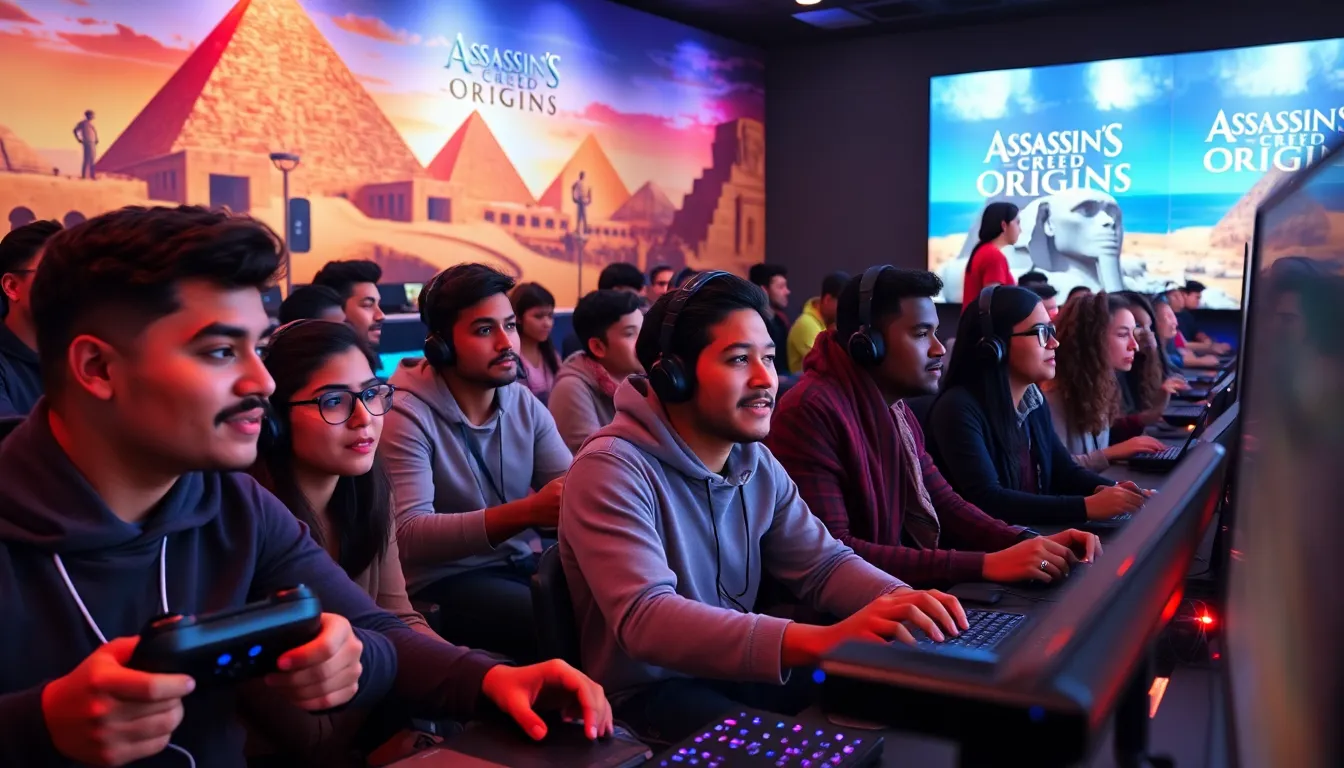
A treasure trove of games brings Ancient Egypt to life. One standout is Assassin’s Creed Origins, offering a breathtaking open-world experience. Players jump into the life of Bayek and explore the birth of the Assassin Brotherhood in a beautifully rendered landscape of deserts, cities, and pyramids. Sands of Time, while not strictly set in Ancient Egypt, draws heavily from its influences and delivers a thrilling action-adventure filled with platforming and combat.
Other gems include Pharaoh, a classic city-building game where players construct cities in the Nile Valley, and Total War: Pharaoh, blending strategy and management against a backdrop of historical events. Each game, in its unique way, captures the essence of a civilization that has fascinated humanity for millennia.
Historical Accuracy vs. Artistic License
While some titles aim for authenticity, others dance around it, embracing artistic freedom. In this gaming realm, one can find vibrant depictions of ancient life that might not always align with historical records. For example, players might leap across rooftops in Cairo while battling supernatural beings, reminiscent of Egyptian mythology rather than any factual truth. Most gamers get that it’s not a documentary: it’s about experience, thrill, and escapism. But, this blurring of lines can lead to interesting discussions about how history is portrayed in our beloved games.
Captivating Storylines Set In Ancient Egypt
The Role Of Puzzles And Challenges
A hallmark of many games set in Ancient Egypt is the incorporation of puzzles and challenges based on historical or mythological themes. Take Tomb Raider, where Lara Croft encounters ancient traps and riddles related to Egyptian deities. These challenges not only engage players but often require a bit of research. It’s like a history lesson wrapped in an adventure as gamers unravel the mysteries of the past.
Cultural Representation In Gaming
The depiction of Ancient Egyptian culture in games often serves more than just aesthetic purposes. It presents narratives that investigate into myths, stories, and belief systems. But, the portrayal can sometimes take liberties that might spark debates among historians and fans alike. The rich tapestry of Egyptian culture deserves respect and authentic representation, prompting gamers to consider the importance of how cultures are depicted in their digital adventures.
The Visual Aesthetics Of Ancient Egypt
Iconic Symbols And Architecture
The splendor of Ancient Egypt is undoubtedly reflected in its iconic symbols and architecture. Pyramids and temples are likely the most recognizable structures, often replicated in games with striking visuals. Games like Assassin’s Creed Origins painstakingly recreate these environments. From the intricate hieroglyphics adorning temple walls to the colossal statues of pharaohs, seeing these details in a pixelated format makes history feel alive and tangible.
Understanding the Mythology Through Gameplay
But it’s not just about aesthetics: it’s about engaging with Egyptian mythology. Games immerse players in narratives filled with gods, goddesses, and legendary creatures. A title like Smite allows players to embody these deities, making the mythological tales interactive. Players find themselves tangled in the myths that shaped a civilization, turning abstract stories into experiences that resonate deeply.
The Influence Of Ancient Egypt On Gaming Communities
Fan Theories And Community Engagement
Gaming communities around titles set in Ancient Egypt often generate a buzz filled with theories, fan art, and discussions. These communities analyze every aspect, from game mechanics to deeper cultural implications. Players find common ground in deciphering plots and unraveling character motivations, leading to a shared bond over their love of gaming and history.
Creating A Shared Experience Through Mythology
The collective experience of engaging with ancient myths can foster a sense of belonging. For many gamers, these themes resonate personally, linking their own identities with historical narratives. This shared exploration enriches their gameplay, transforming lonely hours in front of a screen into communal adventures driven by mutual appreciation for history and storytelling.

