
Nintendo has long stood at the forefront of gaming culture, leaving an indelible mark on the industry through its innovation, creativity, and nostalgia-inducing franchises. This article delves into the evolution of Nintendo’s legacy, its influence on game design, and how its nostalgic appeal continues to engage fans old and new. Besides, we will explore emerging trends that point toward exciting future directions for this beloved company.
The Evolution of Nintendo’s Gaming Legacy
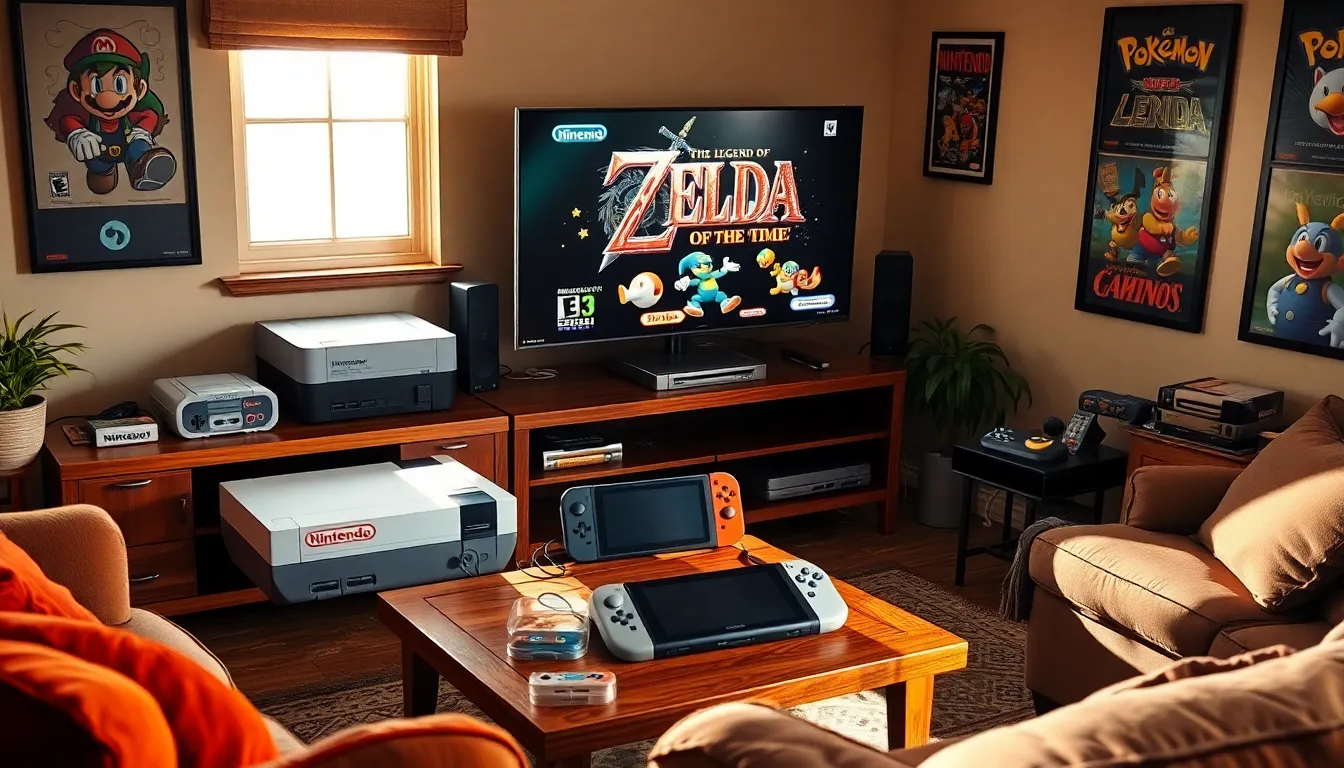
Iconic Consoles That Shaped Gaming
From the release of the Nintendo Entertainment System (NES) in 1983 to the recent success of the Nintendo Switch, Nintendo has consistently reinvented how games are played. The NES revitalized the gaming industry after the early 1980s crash, introducing players to a host of now-classic titles. The Super Nintendo Entertainment System (SNES) further solidified Nintendo’s reputation with its 16-bit graphics and engaging gameplay.
The advent of the Nintendo 64 marked a significant leap into 3D gaming, introducing players to titles like “Super Mario 64” and “The Legend of Zelda: Ocarina of Time.” These games showcased a new paradigm in game design, emphasizing exploration and immersive worlds. The Wii further broke conventional gaming barriers by inviting players of all ages into the fold with its motion controls, emphasizing social interaction.
Memorable Franchises and Their Impact
Nintendo’s franchises are a core element of its legacy. Iconic series such as “Super Mario,” “The Legend of Zelda,” and “Pokémon” resonate deeply across multiple generations.
Each franchise brings not only gameplay mechanics but also rich storytelling and character development. “The Legend of Zelda,” for instance, has evolved its gameplay while retaining its core themes of adventure and exploration, which many players cherish. The affect these franchises have on gaming culture and their influence on new titles cannot be understated, as they continue to inspire game developers around the world.
Nintendo’s Influence on Game Design
Innovative Gameplay Mechanics
Nintendo has been a pioneer in introducing innovative gameplay mechanics that have revolutionized the industry. One prime example is the implementation of the dual-screen experience with the Nintendo DS, allowing for a new level of interaction in games. This dual-screen setup paved the way for more complex mechanics, making gaming experiences more immersive.
Also, the introduction of motion controls through the Wii changed the way gamers interacted with games, prompting a shift towards more physically engaging gameplay. This not only brought new audiences into gaming but also inspired developers to think outside traditional game design norms. As a result, Nintendo’s bold creative choices have impacted game mechanics widely adopted across the industry.
The Role of Nostalgia in Nintendo Games
Fan Communities and Their Contributions
Nostalgia plays a crucial role in Nintendo’s ongoing popularity. The memories tied to early gaming experiences create a deep emotional connection for players. Fan communities around these classic franchises have formed, contributing richly through fan art, mods, and discussions that enhance and celebrate the Nintendo experience. Events like Nintendo Direct keep these communities engaged, fostering anticipation for new releases and nostalgia for past titles.
These passionate fan groups often influence game development. Nintendo occasionally taps into memories by remaking or remastering classic games, such as the remastered versions of “Link’s Awakening” and “Super Mario 3D All-Stars.” Recognizing these beloved titles sparks rekindled interest, allowing new players to experience what made these games special.
The Rise of Content Creation Around Nintendo
The rise of video content platforms has seen fans generate a wealth of content around Nintendo games. From Let’s Plays to fan theories, communities thrive on discussing various aspects of Nintendo’s franchises. This content creation not only strengthens community ties but also draws in new fans.
Many gamers share their gameplay experiences on Twitch and YouTube, providing avenues for engagement that traditional marketing lacks. Nintendo capitalizes on this by supporting fan creations, acknowledging creators, and even collaborating with them. This symbiotic relationship between the company and its fanbase fosters a vibrant ecosystem around its franchises.
Looking Forward: Nintendo’s Future Directions
Emerging Technologies and Trends
As gaming technology continues to evolve, so too does Nintendo’s approach to game design. Virtual Reality (VR) and Augmented Reality (AR) are compelling areas for potential growth. While Nintendo has cautiously approached VR with experiments like “Labo VR,” there are indications that they are keen to explore this burgeoning field further.
Also, cloud gaming is another trend that poses interesting possibilities for Nintendo. By enabling players to access games directly from the cloud, Nintendo could reach a broader audience and offer experiences that are not limited by console capabilities.
Nintendo’s Approach to E-Sports and Online Gaming
The rise of e-sports is reshaping how games are played, and Nintendo is beginning to carve out its space in this competitive arena. Titles like “Super Smash Bros. Ultimate” have solidified themselves as staples in the e-sports community. Nintendo has gradually embraced this trend, hosting tournaments and events that attract both casual players and professional gamers.
Also, Nintendo’s online service, Nintendo Switch Online, continues to evolve, offering new features such as access to classic games and cloud saves. By enhancing its online multiplayer capabilities, Nintendo aims to compete with the more established online gaming services, solidifying its relevance in a constantly shifting landscape.
Conclusion
As Nintendo evolves, it remains rooted in innovation and nostalgia, ensuring its legacy endures. The company continues to push boundaries in game design while fostering vibrant communities of fans that celebrate its history. Looking ahead, with emerging technologies and trends shaping the gaming landscape, Nintendo’s dedication to creativity signifies an exciting future. Gamers can anticipate the innovative experiences that Nintendo will undoubtedly bring to the table in the years to come.

